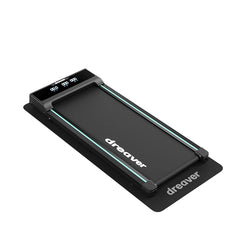
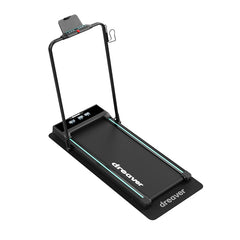
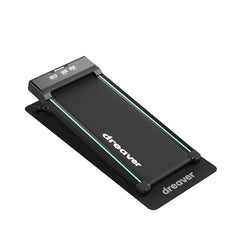
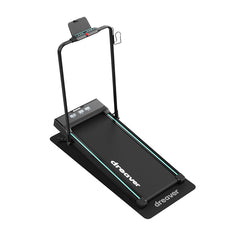
Many remote workers spend hours in an office chair. This often leads to a stiff back, reduced concentration, and a major energy slump in the afternoon. Fortunately, more and more professionals are looking for ways to incorporate movement into their daily routine without leaving their desks. A walking pad is a great solution. This compact treadmill allows you to walk comfortably behind your desk. You stay physically active while remaining accessible to your colleagues and clients. It sounds like the ideal way to stay fit during office hours. However, walking while working also presents unique challenges. You might wonder whether you can write an email without making typos. Or you may worry that you will be audibly out of breath during an important online meeting. Combining physical activity with mental productivity requires a smart and deliberate approach. This article explains exactly how to effectively alternate walking with your daily tasks. You will find practical tips for setting up your workspace, gradually increasing your walking pace, and avoiding common pitfalls. This way, you can make your workday a healthier and more productive experience.
The benefits of walking slowly behind your desk
A walking speed of 1 to 4 kilometers per hour is ideal for the workplace. At this gentle pace, you can increase blood circulation, which may deliver more oxygen to your brain. This can help you concentrate better and feel more energetic. It can also help prevent typical physical complaints caused by prolonged sitting, such as neck and back pain. You do not need to break a sweat to enjoy the health benefits of exercise.
Which tasks are suitable for a walking pad?
Not every task is equally suited to doing while walking. By planning your work wisely, you can maintain your productivity while still meeting your daily step goal.
Ideal for phone calls and informal meetings
Walking and talking are a natural combination. A phone call or an informal catch-up with a colleague is a good time to start the treadmill, especially if you use a walking pad at home. You may find that you think more creatively and speak more fluently when you are moving. Watching a webinar or reading long documents is also manageable at a gentle walking pace.
Less suitable for intensive thinking and presentations
Sometimes your work requires your full concentration. Think about writing a complex report, designing an intricate presentation, or conducting a formal sales call. It is better to pause the walking pad during this kind of intensive thinking. Sit down or stand still so that you can focus entirely on your work.
Setting up your workspace ergonomically
Good posture is essential for preventing discomfort. Make sure your desk is set at the correct height when you are standing on the treadmill. Your elbows should form a 90-degree angle when your hands are resting on the keyboard. Position your screen at eye level to prevent you from constantly looking down, which can cause neck pain. Keep walking upright and let your shoulders hang naturally.
Building up gradually and learning to multitask
Do not expect to be able to walk and work for hours at the same time right away. Multitasking on a treadmill is a skill that takes time to develop.
- Start by walking for fifteen minutes a day.
- Choose a very slow pace, such as 1 or 2 kilometers per hour.
- Increase your walking time by ten minutes each week.
- Only increase the speed once you can maintain your balance without thinking about it.
This gradual approach allows your body to adapt to the new activity and your brain to learn how to concentrate while moving.
Common pitfalls and practical solutions
Using a treadmill can sometimes present minor challenges. Fortunately, these are easy to overcome.
- Noise during meetings: Use headphones with effective noise cancellation. Modern microphones easily filter out the hum of the treadmill and the sound of your footsteps.
- Reduced typing accuracy: Slow down your walking pace when you need to type a lot of text. Rest your wrists lightly on the desk for added stability.
- Distraction: Do you find that walking requires too much attention? Stop the treadmill immediately and finish your important task first.
Start a more active work routine today
Incorporating a walking pad into your daily work is a valuable investment in your health and productivity. By consciously choosing when to walk and when to sit, you can strike the right balance. Introduce it gradually, pay close attention to your ergonomics, and do not be too hard on yourself if typing feels a little awkward at first. Get your treadmill ready, schedule an informal meeting, and see for yourself how much extra energy you get from an active workday.