You know the feeling. You sign up for a gym membership, buy new running shoes, and feel full of determination to finally start working out three times a week. For the first few weeks, you're highly motivated and feel invincible. Then it starts raining, you have an extremely busy day at work, or you simply start feeling tired. Before you know it, a month has passed without you going. For many people, this pattern creates a constant, nagging sense of failure. We often think we lack discipline, that we don't have perseverance, or that we're simply too lazy. But the reality is very different. The problem probably isn't your character or motivation. The problem lies in the way we view physical activity in our Western society. What if you don't need to 'exercise' at all to stay healthy and fit? What if the secret to lasting vitality is much simpler, more accessible, and above all, less exhausting? The answer is surprisingly simple: it's time to challenge the traditional sports mentality and choose a more realistic alternative.
The invisible pressure of sports culture
Intense exercise requires a lot of energy, time, and mental preparation. You have to change, travel to a location, push yourself to the limit for an hour, shower, and head back. This high barrier is exactly why it's so easy to postpone. The sports industry has led us to believe that we're only really doing something good for ourselves when we collapse on the couch afterwards.
This "no pain, no gain" mentality might work for elite athletes or people who see sports as their main hobby. For the average person with a demanding job, a family, and a social life, this approach is simply unsustainable. It puts enormous pressure on our already packed schedules.
Procrastination and guilt
When we skip a planned workout, the guilt immediately starts to gnaw at us. This negative feeling absolutely does not motivate us to go the next day; instead, it has a paralyzing effect. We end up in a vicious cycle of overly high expectations, subsequent disappointment, and ultimately the tendency to give up altogether. If you can't do it perfectly, it feels like there's no point at all.
The alternative: natural movement as a lifestyle
Instead of forcing ourselves to do grueling workouts that we secretly dread, we can achieve much more with daily, low-barrier movement. This is exactly how the populations known for being the longest-living and healthiest in the world live (the so-called Blue Zones). They don't push themselves to exhaustion on a treadmill. They garden, walk to work, do household chores, and are simply active throughout the day.
The biological benefits of gentle movement
Our bodies do not seem to have evolved to sit motionless in an office chair for eight hours and then, as compensation, perform at their maximum for an hour in an enclosed space. We seem to have evolved primarily to engage in light to moderate activity throughout the day. Frequent, light movement can keep our metabolism going. It can help prevent the common stiffness in the neck and shoulders, stimulate blood circulation, and provide a more stable energy level. In addition, walking gently can lower your heart rate and stress levels, unlike a strenuous HIIT workout, which can actually produce additional stress hormones (such as cortisol).
How movement fits seamlessly into a busy life
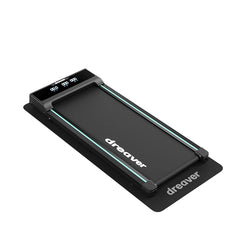
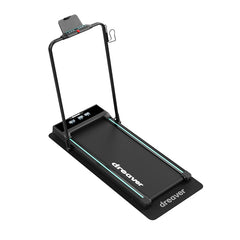
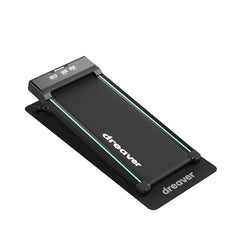
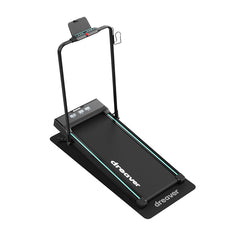
The biggest advantage of this new approach is its accessibility. You don't need special, tight-fitting clothes, and you don't have to depend on a gym. You can walk outside, take the stairs more often, or incorporate more movement into your day at home. For those who want to get started easily, buying a treadmill for home can therefore be a practical choice. This way, you make walking part of your routine, without travel time, crowded locker rooms, or fixed opening hours. By integrating movement into the things you already do, it takes almost no extra time.
Here are a few simple ways to start moving more right away:
- Take a fifteen-minute walk immediately after lunch or dinner.
- Always choose the stairs instead of the elevator or escalator.
- Schedule 'walking meetings' with colleagues if you only need to listen or discuss.
- Park your car just a little further away from the supermarket or workplace entrance.
- Do small household chores in between when you work from home.
Time for a new, liberating routine
Finally letting go of the obligation to exercise intensely brings enormous mental freedom. You never have to worry about missed workouts or unused gym memberships that cost money every month again. By shifting your full focus to natural, daily movement, you create a healthy lifestyle that you can actually maintain effortlessly for years. It's not about the intensity of the hour, but about the consistency of the day. What small change will you apply today to get just a little more active?