Moving more is high on the list of good intentions for many people. Yet, for many, it remains difficult to truly make it a habit. A busy schedule, working from home, or simply a lack of motivation often gets in the way. But here is the good news: you really don't have to be an athlete to move more every day. Walking is one of the most accessible and effective ways to improve your health. It requires no expensive sports equipment, no gym membership, and no special skills. In this article, we will show you how to build a daily walking habit step by step. One that fits your life and that you can actually stick with. From practical tips on when and how to start, to smart ways to seamlessly weave walking into your day.
Why consistency is more important than intensity
Many people think they are only "really" exercising when they sweat, are out of breath, or work out for an hour. That mindset sabotages you before you even start.
Research repeatedly shows that regular, moderate exercise such as daily walking can have many benefits for your health. Think of a lower risk of cardiovascular disease, fewer stress symptoms, better sleep, and more energy during the day. And you don't achieve that by working out hard once a week, but by moving a little every day.
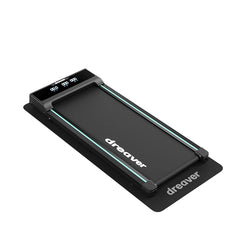
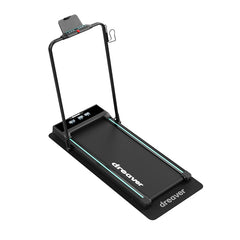
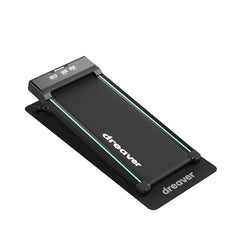
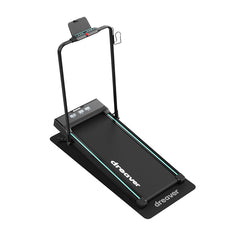
Ten minutes a day is a better start than an hour once a week. The body and mind gradually adapt. With a model like the Dreaver Motion One in the house, walking quickly feels like something you just do, instead of something you have to do.
Step 1: Start small (really small)
The biggest mistake people make when building a new habit? Starting too big. They immediately schedule an hour a day, stick with it for two weeks, and then give up because it turns out to be unfeasible.
It is better to start with five or ten minutes a day. Sounds almost too easy? Exactly. That is the point.
Small successes give you confidence and build momentum. If ten minutes feels easy, you can always do more. The opposite, doing too much and giving up, actually costs you motivation.
Ask yourself one simple question in the first week: Can I walk for ten minutes today? Almost always, the answer is yes.
Step 2: Choose a fixed time of day
Habits form fastest when they are linked to a fixed time or a fixed trigger. Walking at a random time works less well than walking at the same time every day.
Think about when walking best fits your rhythm:
In the morning: A walk after waking up gets your day off to a good start and ensures you don't postpone it.
During lunch: Ideal if you work from home. A short walking break helps clear your head and gives you energy for the afternoon.
In the evening: Good for those who want to end the day and relax for a bit after work.
Choose one time and stick to it as consistently as possible for the first few weeks. It doesn't have to be perfect yet, it just has to be repeatable.
Step 3: Combine walking with something you already do
One of the smartest ways to integrate walking into your day is by linking it to something you already do anyway. This way, it feels less like an extra task. Here are a few ideas:
Podcasts or audiobooks: Save your favorite podcast especially for your walking time. You will look forward to it.
Phone calls: Do you have a call you have to make anyway? Walk while you do it.
Watching TV or series: Put on your favorite series while you step on the treadmill. Forty minutes will fly by.
Meetings and consultations: Many remote workers turn off their video camera. Just walk around while you listen.
This principle is simply habit stacking. You attach a new habit to an existing one. It lowers the threshold enormously, because you don't have to make extra time for it.
Step 4: Keep track of your steps
What you measure, grows. A step counter or a health app gives you insight into how active you actually are, and that insight is motivating.
Start by tracking your current average. Then you can gradually increase your goal. The much-discussed goal of 10,000 steps per day is a good guideline, but 6,000 or 7,000 steps per day can also provide health benefits according to research.
Many people are shocked by how much they can walk on busy days without realizing it, and also how little they move on lazy days. That awareness is already a win.
Step 5: Make sure the threshold is as low as possible
You don't need to go out the door to walk; that is the great advantage of an indoor treadmill. In bad weather or a busy schedule, you simply step on the Dreaver Motion Pro. This treadmill fits in a home office or living room and is easy to use while working, watching a series, or making phone calls.
Step 6: Be kind to yourself if you miss a day
Missed a day? No big deal. Really.
One missed day does not break a habit, but the thought that you have already "failed" does. The pitfall is that people think after one missed day: "Now it doesn't make sense anymore anyway." That is the moment when habits fall apart.
The solution is simple: never miss two days in a row. One day can always be missed. Two days become a week, and a week becomes an end to your new habit.
Treat yourself with the same gentleness as you would treat a friend who has missed a day. Tomorrow is a new chance.
Frequently asked questions about daily walking
How many minutes of walking per day is enough?
For health benefits, most guidelines recommend at least 30 minutes of moderate exercise per day. But shorter sessions, even of 10 minutes, count and are already better than nothing. Start small and build up slowly.
Is walking on a treadmill at home just as effective as walking outside?
Yes, the physical benefits are comparable. Walking on a device like the Dreaver Elevate One or the Dreaver Climb One can improve fitness, help burn calories, and reduce stress. Those looking for extra support and stability during these sessions will find the Dreaver Assist One a safe partner for daily use.
How quickly will I notice results from daily walking?
Many people notice after just one to two weeks that they have more energy and sleep better. Visible changes in fitness or weight take more time, but the mental benefits are often quickly noticeable.
What if I really can't stick with it?
Start even smaller. Five minutes a day is enough to start. It is about building the habit, not the amount. Once you are moving daily, no matter how briefly, you can always expand.
Start today, even if it is only for five minutes
Building a daily walking habit does not have to be complicated. Start small, choose a fixed time, make it as easy as possible, and be patient with yourself. Consistency does the rest.
And if the threshold to go outside is sometimes just too big, a compact treadmill or walking belt at home is a practical solution. You simply walk whenever it suits you, rain or shine, busy or quiet.
Dreaver helps make daily exercise achievable. For the most demanding user who is looking for maximum performance, the Dreaver Elevate Pro is a good choice. View the full range and discover which treadmill best suits your goals.