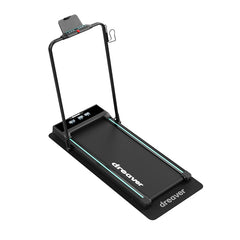
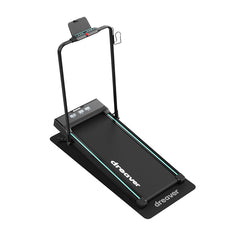
In short: A walking pad usually shifts during use due to a slippery surface, incorrect placement, or insufficient weight distribution. The most effective solutions are an anti-slip mat, a flat and hard floor, and proper setup according to the user manual. With a few simple adjustments, you will immediately stand much more stably. You step on your walking pad, turn it on, and start walking at a steady pace. After a few minutes, you notice that the device is slowly moving forward. You adjust your pace, pull the thing back into place, and start again, until it happens again. This is a common problem for people who use a walking pad in the living room, bedroom, or study. Fortunately, this problem has a clear cause and a concrete solution. This article explains why a walking pad shifts, what role the surface plays, and what measures you can take to keep the device stable in place.
Why does a walking pad shift during use?
A walking pad is designed to stand stably, but the combination of moving parts, vibrations, and a slippery floor can still cause it to move. The most common causes are:
- Slippery floors: laminate, tiles, and parquet offer little resistance, and the rubber feet of a walking pad do not adhere well to them.
- Incorrect placement: if the device is not level or is on an uneven surface, it can shift a little bit with every step.
- Vibrations from the treadmill: the movement of the belt itself causes constant vibrations that gradually move the device.
- Walking style: people who step down heavily or have an uneven gait exert more force on the floor and thus also on the device.
A combination of these factors makes the problem worse, but fortunately, there are also multiple solutions.
What role does the surface play in a walking pad shifting?
The surface may be the most important factor. On a slippery floor, the device simply does not have enough grip to stay in place.
Hard, slippery floors are a risk factor
Laminate, PVC, and tiles are popular flooring types, but they are not ideal for a walking pad. The rubber feet of the device slide easily over them, especially if the floor is also lightly contaminated with dust or skin oils.
Carpet offers more stability, but not always
On carpet, a walking pad generally stands more stably. The disadvantage is that carpet can damage the bottom of the device or obstruct air circulation. Furthermore, a thick, soft carpet can cause the device to wobble.
A flat surface is important
Is your walking pad on a slightly sloped or uneven floor? Then the chance of shifting is much greater. Check this with a spirit level or by turning on the device and carefully observing whether it pulls to one side.
How do you use an anti-slip mat or protective mat to keep a walking pad stable?
Placing an anti-slip mat or training mat under your walking pad is the most direct and effective solution.
Choose the right mat
Not every mat works equally well. Pay attention to the following points when purchasing:
- Material: rubber or PVC foam offers the most grip on slippery floors.
- Thickness: a mat of 6 to 10 mm absorbs vibrations and prevents the device from moving.
- Dimensions: the mat must be at least as large as the footprint of your walking pad, and preferably slightly larger.
Benefits of a protective mat
A good treadmill protective mat does more than just prevent shifting. It also protects your floor from scratches and the bottom of the device from wear. Furthermore, the mat helps dampen vibrations and noise. This is especially useful if you use a home treadmill in an apartment or on an upper floor.
How do you check if your walking pad is correctly placed?
Correct placement is a step many people skip, but it makes a big difference.
Follow the user manual
The manual of your walking pad contains recommendations about the minimum free space around the device. This free space is not only for your safety, but also ensures that the device can stand stably without hitting furniture or walls.
Check the spirit level position
Place your walking pad in a spot where the floor is completely flat. If the device is slightly crooked, the treadmill will always pull to one side and the device will move with it. Use a spirit level to check this before you start.
Check the feet regularly
The rubber feet on the bottom of your walking pad wear out over time. Check regularly whether they are still intact and replace them if necessary. Many manufacturers offer spare parts. Soft or damaged feet provide less grip and a greater chance of shifting.
What practical tips help immediately to keep a walking pad stable?
In addition to using a mat and correctly placing the device, there are a few more simple measures you can apply immediately:
- Clean the bottom of the device and the floor: dust, hair, and dirt reduce the friction between the device and the floor. Wipe the bottom of the feet with a damp cloth and make sure the floor is clean before you start walking.
- Use anti-slip strips: small anti-slip strips that you also use under furniture legs can be stuck on the feet of your walking pad for extra grip. They are cheap, easy to find, and easy to replace.
- Check the position after every session: make it a habit to check after each use whether the device is still in the same place. If you notice that it consistently shifts to the same side, adjust the placement or the mat.
- Walk regularly and not with too large steps: on a walking pad, a calm, controlled walking style works best. Large steps or hard landings increase the vibrations and the chance of shifting. Walk consciously and with a relaxed posture.
- Lock the device if possible: some walking pads have locking points or foldable handles that make the device more stable when they are unfolded. Check if your model has this and use this feature.
A stable walking experience starts with the right preparation
A walking pad that shifts during walking is not only annoying, but can also be dangerous and disrupt your concentration. The cause almost always lies with the combination of a slippery floor and a device that is not optimally placed. The solution does not have to be complicated. Start with a good anti-slip mat, check the placement of your device, and ensure a clean, flat surface. Add a regular check of the feet to that, and you have already addressed the most common causes of shifting. This way, you can fully relax and enjoy every walking session, whether it is during a video call, a podcast, or a quiet morning walk.