Prolonged sitting can cause back pain because muscles weaken, pressure on your intervertebral discs increases, and your movement patterns become disrupted. Walking regularly can help by stimulating blood flow, activating your back muscles, and improving your posture. However, walking is not always enough; for persistent symptoms, a physical therapist is the best choice. After a long day at work behind your desk, you may sometimes feel it coming on: a dull ache in your lower back, stiffness in your neck, or the urge to simply stand up for a moment. Many people who sit a lot every day recognize this. The good news? You don’t have to turn your life upside down right away to do something about it. In this article, you’ll learn exactly how prolonged sitting contributes to back pain and why walking is one of the easiest ways to relieve your back. You’ll also discover what to look out for, because sometimes walking alone is not enough.
Why does sitting too much cause back pain?
Sitting may feel restful for your body, but your back experiences it differently. When you remain in the same position for hours, several things happen that do not benefit your back.
The intervertebral discs in your spine can become compressed and receive less blood flow. Muscles in your lower back, buttocks, and hips can gradually shorten and weaken. At the same time, the muscles that stabilize your core may become less active, causing the load to be distributed unevenly. The result can be stiffness, tension, and, over time, pain.
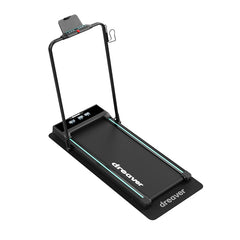
Movement can break this pattern. Even getting up briefly and regularly, taking a short walk, or walking for a few minutes can stimulate blood flow, relieve compressed structures, and re-engage your stabilizing muscles. You don’t need to go to the gym for this. Having a compact treadmill at home makes it easy to get moving occasionally without having to step outside.
Place a treadmill protection mat underneath, and your setup will be stable, cushioned, and ready to use, keeping the barrier to getting moving as low as possible.
Your muscles become weaker
Muscles you do not use gradually become weaker. This is called muscle atrophy. Prolonged sitting can make your abdominal and back muscles particularly inactive. These are the muscles that normally provide stability and support for your spine. When they weaken, more strain can fall on your back.
More pressure on your intervertebral discs
Your intervertebral discs act as small shock absorbers between your vertebrae. Research shows that the pressure on these discs can be higher when sitting than when standing, especially if you are slumping. Over time, this extra pressure can lead to an unpleasant, dull ache in your lower back.
A disrupted movement pattern
Your body is designed to move, not to sit still. If you remain in the same position for a long time, your natural movement pattern can become unbalanced. Some muscles shorten and tighten, while others become slack. This makes your back feel less flexible and more easily irritated.
How does walking help relieve back pain?
Walking is one of the most natural movements there is. It is easy to get started, costs nothing, and your back benefits immediately. This is what happens when you walk regularly.
Improved blood flow
When you walk, you pump blood throughout your body, including to your back muscles and intervertebral discs. Good blood flow can help deliver oxygen and nutrients, which can help repair your tissues. Stiffness caused by prolonged sitting often disappears after just a short walk.
Muscle activation
With every step, you activate the muscles around your spine, pelvis, and legs. This can help maintain their strength and endurance. The stronger your core muscles are, the better they can support your back throughout the day.
A natural posture
Walking encourages you to move upright. Your chest opens, your shoulders relax, and your spine is placed in a natural position. Compare that to the hunched posture many people adopt at their desks. Walking regularly helps your body remember what a healthy posture feels like.
What should you look out for when walking to relieve back pain?
Walking is an excellent first step, but it is not a miracle cure. Keep the following points in mind.
When is walking alone not enough?
If you have mild, temporary symptoms from prolonged sitting, walking can often make a big difference. But severe or long-term back pain requires more. Consider targeted core exercises, improving your posture at work, or incorporating more variety into your daily movement. Walking works best as part of an active lifestyle, not as a standalone solution.
How does your walking posture on a walking pad affect your back?
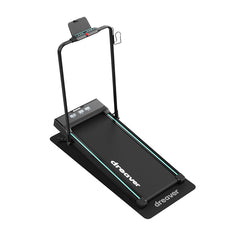
More and more people walk under their desks on a walking pad while at work. This is a smart way to incorporate movement into your day. However, pay attention to your posture: do not constantly look down at your screen or lean forward. Keep your screen at eye level, your shoulders relaxed, and your gaze straight ahead. Start slowly at a low speed so your body can get used to moving while working. The Dreaver Motion One is an excellent entry-level choice: compact, quiet, and suitable for the gentle walking pace your back needs to get used to it. If you also want to benefit from a slight incline, you can choose the Dreaver Elevate Pro, where the automatically adjustable incline activates your muscles a little more while you walk.
When should you consult a physical therapist?
Sometimes professional advice is the wisest choice. Consult a physical therapist or general practitioner if:
- your back pain lasts longer than a few weeks;
- the pain radiates to your legs, buttocks, or feet;
- you experience tingling or numbness;
- the pain worsens at night or significantly limits your daily life.
A physical therapist can assess your symptoms and provide targeted guidance. Walking often remains a valuable part of recovery.
Small steps, big difference
Back pain from sitting too much is a common problem, but fortunately, there is a lot you can do about it yourself. By walking regularly, you give your back the movement it needs: improved blood flow, stronger muscles, and a more natural posture. It is important to listen to your body and seek help if your symptoms persist.
Want to incorporate more movement into your workday without leaving your desk? Discover how a Dreaver walking pad helps you work while walking and keep your back moving throughout the day.