For a walking pad, lightweight walking shoes or comfortable sports shoes with sufficient cushioning, a flexible sole and a good fit are most suitable. Heavy running shoes are often unnecessary. Walking barefoot or in socks is not recommended due to the risk of slipping and improper loading. You have finally purchased a walking pad, or you are considering buying one, and you wonder what the best shoes are to walk in. A logical question, because although a walking pad may look simple, the right footwear makes a big difference to your comfort, posture and the long-term health of your joints. Are you a beginner who wants to cover a few easy kilometers every day, or do you want to intensify your training? Then the choice of shoes will directly affect how comfortably and effectively you move. In this article, you will read exactly what to look out for, what the pitfalls are and how to make the right choice for your situation.
Are regular sports shoes suitable for a walking pad?
The short answer is that it depends. Not every sports shoe is the same, and not every sports shoe is equally suitable for use on a walking pad. If you are considering buying a treadmill for home, it is therefore also wise to think about the type of shoes you wear during your workouts.
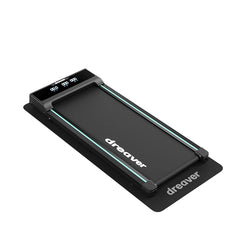
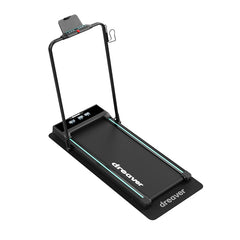
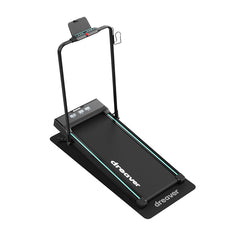
Many people reach for their old running shoes or all-round trainers. That can work perfectly well, provided the shoes are still in good condition and offer sufficient cushioning. Even when you train on a Dreaver treadmill with incline, comfortable shoes with sufficient support are important, because walking on an incline loads your muscles and feet differently.
A basketball shoe, for example, has a high side that supports your ankle during sideways movements, while you do not make those movements at all on a treadmill. That makes such a shoe unnecessarily heavy and less flexible for the walking pattern on a walking pad. The same applies to sturdy walking shoes with a thick outsole that are intended for uneven terrain.
If you choose a regular sports shoe, pay attention to the following features:
- Sufficient cushioning under the heel and forefoot
- A flexible sole that moves with your foot
- A good fit without pressure points
- Breathable material to keep your feet cool
How much grip does a shoe need on a walking pad?
On a walking pad, the belt moves continuously under your feet. Your foot remains relatively still relative to the treadmill, which means the requirements for grip are different than when walking outdoors.
You do not need an aggressive tread like trail shoes. A tread that is too coarse can actually cause friction or unnecessary wear on the belt of your walking pad. A shoe with a flat to lightly treaded sole, such as that of most regular running shoes, works well.
What you do want is sufficient grip to prevent your foot from slipping when you step off. This is especially relevant for those who are just starting out or walking at higher speeds. A rubber sole with a subtle pattern offers the right balance between grip and a smooth walking motion.
Why is a good fit so important?
You will hardly notice a poorly fitting shoe after ten minutes of walking. However, after half an hour or an hour of daily use, the misery begins in the form of blisters, painful toes, tension around the instep or fatigue in your lower legs.
On a walking pad, you walk on a fixed, flat surface, but that does not make a poor fit any less problematic. On the contrary, the repetitive movement amplifies every small pressure point.
When trying on shoes, pay attention to the following points:
- Space at the front: your toe must not touch the shoe with every step
- Firm heel cup: your heel must not slip out while walking
- Width: the shoe must not pinch anywhere, even after an hour of walking
- Laces or Velcro: make sure the shoe is securely fastened without being too tight
Preferably try on shoes in the afternoon or evening, when your feet are slightly swollen, because this gives a more realistic idea of how the shoe feels during use.
Do you need heavy running shoes for a walking pad?
No, in most cases not. Heavy running shoes are designed to absorb the impact when running, which is an activity in which you land on the ground with a multiple of your body weight with every step.
When walking, even on a walking pad, that impact is considerably lower. Your foot rolls from heel to toe in a smooth motion without the hard jolt that occurs when running. A lightweight shoe with moderate cushioning is therefore completely sufficient.
Heavy shoes also have disadvantages because they tire your feet faster, feel heavy and can negatively affect your walking pattern. Therefore, consciously choose a lighter shoe if you mainly walk or walk steadily at a moderate pace.
What is the difference between walking at a low speed and training more intensively?
A walking pad is, as the name suggests, primarily intended for walking, usually between 1 and 6 kilometers per hour. At that speed, the load on your joints is limited and a lightweight, comfortable shoe is sufficient.
However, some users increase the speed towards a brisk walk or light jog. At that point, the requirements change:
- Easy walking (1 to 4 km/h): lightweight walking shoe or sneaker
- Brisk walking (4 to 6 km/h): walking shoe with good cushioning
- Intensive training (6+ km/h): lightweight running shoe
At higher speeds, more cushioning and support are desirable. Those who regularly walk above 6 kilometers per hour can invest in a lightweight running shoe that is specifically designed for that purpose.
Is walking in socks or barefoot sensible?
Many users ask this question, especially when they step onto their walking pad at home and find it easy to walk that way. Yet the answer is clear: walking in socks or barefoot on a walking pad is not recommended.
The reasons are practical in nature:
- Slipping hazard: the treadmill moves and a smooth sock offers little grip, which can lead to slipping
- Improper loading: without cushioning and support, your feet, ankles and knees are more heavily loaded, especially during prolonged use
- Hygiene: the belt of a walking pad can contain dirt and bacteria, making direct contact less hygienic
Even lightweight indoor sneakers or special training shoes are already much better than no footwear at all. Always choose a shoe with a closed toe and a rubber-like sole.
Practical tips for choosing the right shoes
Those who know what to look out for can use a number of concrete tips to make the right choice:
- Choose lightweight and flexible: a shoe that you can effortlessly bend in half at the ball of the foot is a good sign, because that flexibility aligns with the natural movement of your foot during walking.
- Pay attention to the cushioning zone: press your thumb on the sole under the heel and the forefoot. The sole should spring back, but not sink in completely, because too little cushioning is uncomfortable and too much feels unstable.
- Test the shoe with a walking motion: do not only try on the shoe while standing, but also take a few steps. Your foot must be able to roll smoothly from heel to toe without pressure points.
- Replace shoes in time: most shoes are due for replacement after 500 to 800 kilometers of use. This is difficult to keep track of on a walking pad, but pay attention to signs of wear on the sole or reduced comfort as signals that it is time for new shoes.
- Choose breathable material: on a treadmill you are not cooled by the wind or the outdoors. Shoes with a mesh upper allow air through and prevent your feet from overheating.
The best choice for you
A good shoe for a walking pad is a shoe that fits comfortably, is lightweight, provides sufficient cushioning and fits your foot well. No heavy, technical footwear that hinders you rather than helps, but also no socks or slippers that increase the risk of injuries or slipping.
Start simply: a good walking shoe or lightweight sports shoe that you already own is in many cases already a good starting point. Those who notice after a few weeks that their feet tire faster, blisters develop or shoes feel uncomfortable can specifically look for a shoe that better suits their walking style and the device.
The good news is that you do not have to spend a fortune on it. A quality walking or running shoe in the mid-range is more than sufficient for most users.